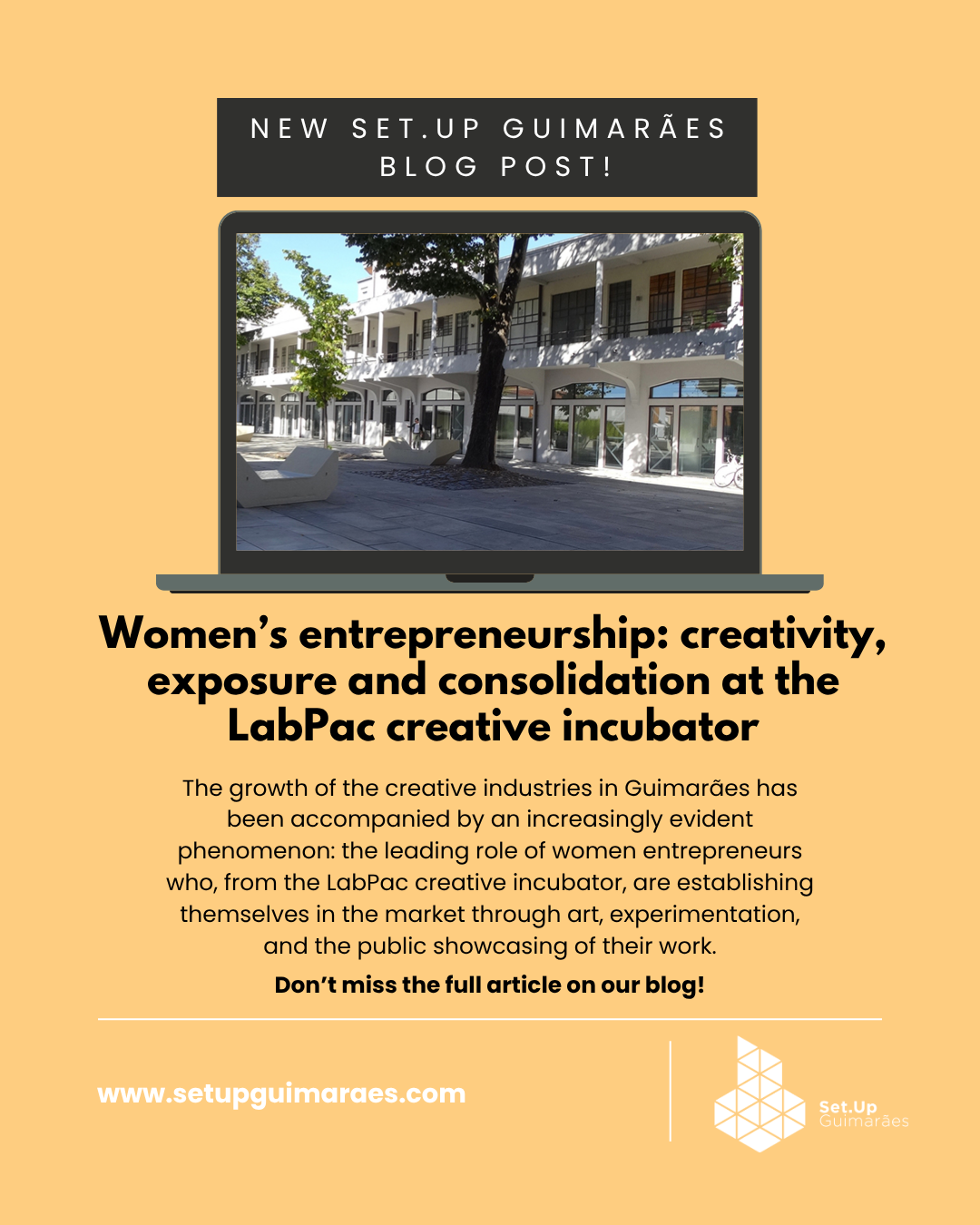
The growth of the creative industries in Guimarães has been accompanied by an increasingly evident phenomenon: the leading role of women entrepreneurs who, from the LabPac creative incubator, are establishing themselves in the market through art, experimentation, and the public showcasing of their work.
Embedded within the Set.Up Guimarães ecosystem, LabPac has operated as an incubation space where creative talent is transformed into projects with identity and viability. In this context, several women entrepreneurs have managed not only to develop their products and artistic languages, but also to gain visibility through participation in exhibitions and cultural initiatives.
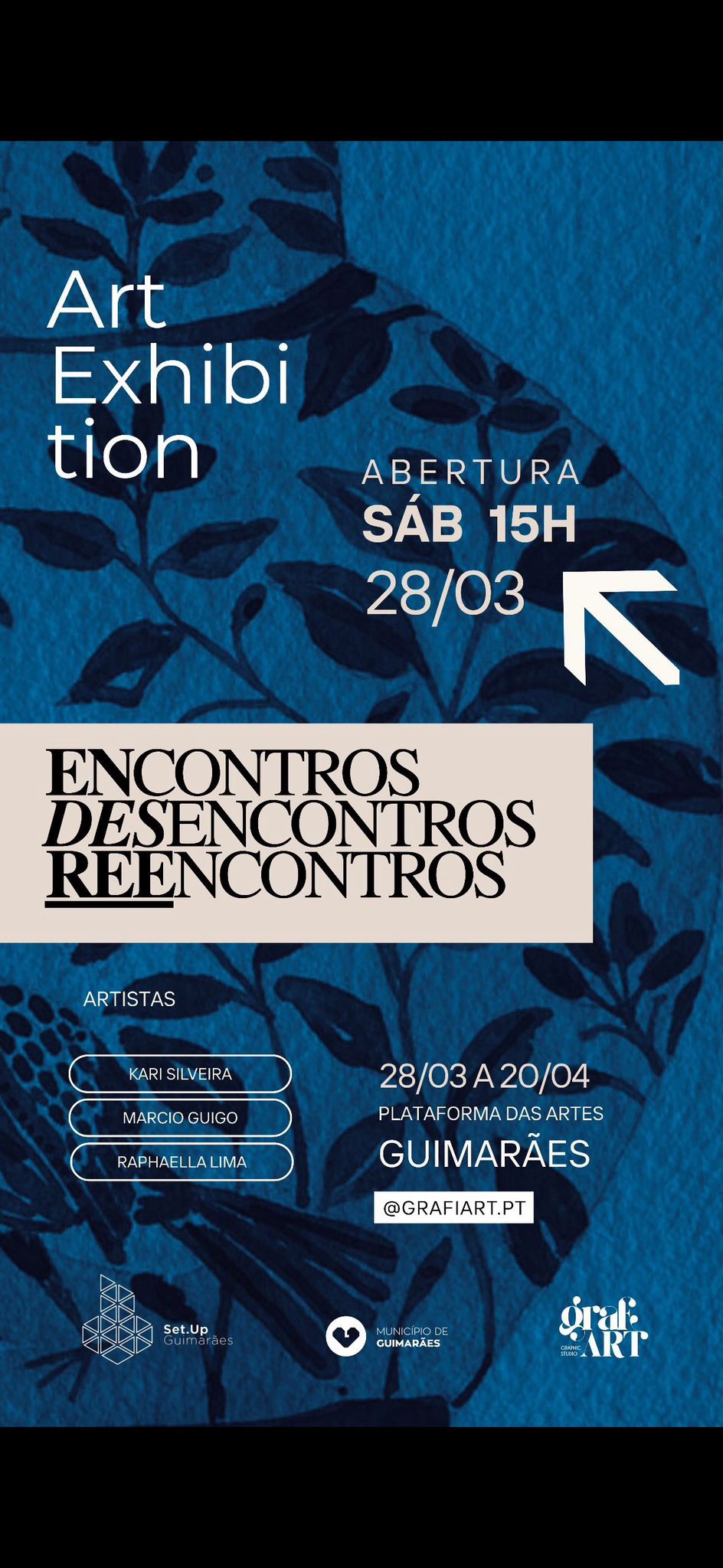
A recent example is the exhibition “Encounters, Misencounters and Re-encounters”: an artistic exhibition that reveals the cycles of encounter, rupture, and human reinvention, highlighting the potential of these creators. Through watercolor, the exhibition explores the cycles of human experience — encounter, rupture, and reinvention — reflecting an artistic approach deeply connected to emotion and personal experience. This type of public participation proves to be decisive. On the one hand, it allows validation of the work with different audiences; on the other, it contributes to strengthening the identity of creative brands, positioning them in a market increasingly oriented towards authenticity and differentiation.
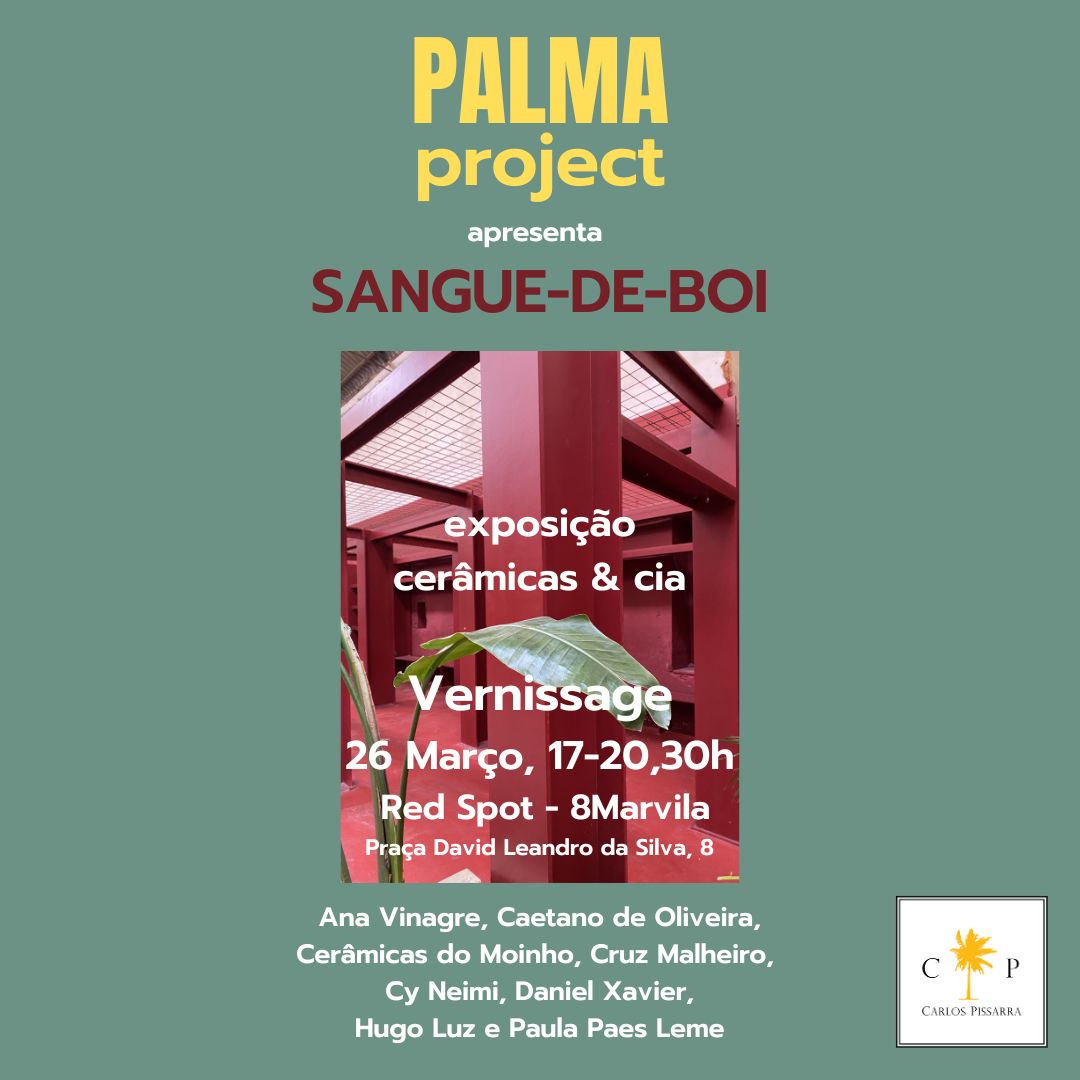
In this context, the trajectory of ceramic artist Ana Vinagre also stands out, whose artistic practice demonstrates the ability to transform authorial creation into expression with public impact. The artist is part of the exhibition “Sangue-de-Boi”, promoted by Palma Project, with a vernissage scheduled for March 26 in Marvila (Lisbon), bringing together a group of creators within a contemporary approach to ceramics and visual arts. Ana Vinagre’s participation in this context reinforces a path marked by the exploration of materials and the construction of distinct visual universes, often connected to symbolic and emotional dimensions. Her work is part of a logic of collaboration and artistic experimentation, characteristic of the new dynamics of the creative industries.
It is important to highlight that the success of these entrepreneurs results from a balance between creativity and structure. The support of the incubator, combined with access to networks, mentorship, and exhibition opportunities, creates the conditions for early-stage projects to accelerate their development and reduce the risks associated with their launch.
At the same time, these initiatives reinforce the role of the arts as a driver of economic and social development. The growing recognition of contemporary artistic creation demonstrates that it is possible to transform individual expression into proposals with collective impact, contributing to the cultural dynamization of the territory.
In summary, the women entrepreneurs of our creative incubator represent a new generation of creators who combine artistic sensitivity with an entrepreneurial vision. Their presence in exhibitions and public events is not only a sign of recognition — it is, above all, confirmation that women-led creative entrepreneurship is gaining scale, consistency, and relevance.
Not to be missed:
Exhibition “Encounters, Misencounters and Re-encounters”
Exhibition “Sangue-de-Boi”, promoted by Palma Project